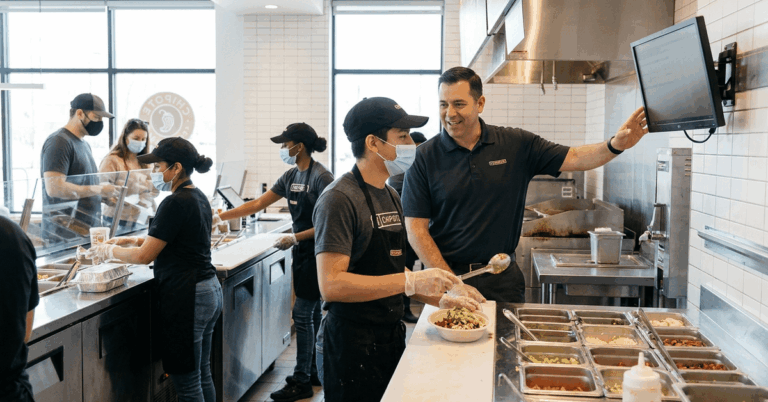
Thinking about working at Chipotle? The demand for reliable and rewarding restaurant jobs is climbing steadily in the United States.
Many people, especially those early in their careers or seeking a shift, consider food service roles.


Chipotle, known for its commitment to fresh ingredients and a positive team environment, stands out as a popular choice among job seekers.
This article aims to clarify what it takes to join the Chipotle team in the US, highlighting essential requirements, unique benefits, and a practical view of the application process.
If steady employment, growth potential, and solid benefits matter to you, exploring a position at Chipotle might provide fulfilling opportunities.
Why Consider a Career at Chipotle?
Chipotle has gained a reputation for valuing its staff as much as its food. Unlike many quick-service restaurants, the company emphasizes ethical sourcing, employee wellness, and transparent advancement options.
Many workers mention feeling a sense of purpose and belonging, possibly due to the brand’s inclusive approach.
For students, career changers, or anyone seeking fast-track skill development, Chipotle stands out.
The mix of training, upskilling, and cross-functional experiences attracts applicants with various backgrounds. And, for many, knowing their workplace shares their values is a significant plus.

Basic Requirements to Apply at Chipotle
Although Chipotle keeps its hiring process straightforward, there are non-negotiable requirements.
These may differ slightly by location, but certain standards are consistent across all branches in the United States.
Minimum Age
The standard minimum age for employment at Chipotle is 16 years old. Some local regulations or job roles might set a higher minimum. It is always worth checking the specific location’s listing for details.
Work Authorization
Applicants must have proof of legal eligibility to work in the US. Typically, this means a valid Social Security number and, for non-citizens, required immigration documents. This expectation is enforced company-wide.
Background and Experience
Entry-level positions, such as team member or crew, do not require previous restaurant experience. Chipotle provides all necessary training. For management or kitchen manager roles, prior food service experience is often appreciated, though not strictly required.
Availability and Flexibility
Because Chipotle locations often operate extended hours, openness to evenings, weekends, or split shifts will be helpful. While the company accommodates school or family schedules, full-time roles generally expect broader availability.
Employee Benefits and Perks at Chipotle
Chipotle’s benefits are occasionally surprising for a fast-casual restaurant. Many entry-level workers receive a package that rivals traditional corporate offerings, especially for full-time team members.
Tuition Assistance
One standout benefit is tuition reimbursement. Chipotle helps cover eligible expenses for approved courses or degrees. Employees interested in growing their skillsets or pursuing higher education appreciate this feature.
Medical, Dental, and Vision Coverage
Eligible Chipotle workers have access to various health insurance plans. These plans may include medical, dental, and vision options, often available after a modest probationary period. Even some part-time roles qualify, depending on average hours worked.
Paid Time Off
Both hourly and salaried employees typically earn paid time off. This time can be used for vacation, illness, or personal needs. Details about accrual rates and eligibility may vary by state regulations and role type.
Wellbeing and Lifestyle Benefits
Chipotle promotes wellness through mental health resources, discounts on healthy living tools, and sometimes free meals during shifts. Many staff enjoy the daily access to menu offerings, which makes this a subtle but meaningful perk.
Opportunities for Advancement
Those hoping to build long-term careers appreciate Chipotle’s record for promoting from within. Crew members have a clear path to shift leader, assistant manager, and general manager. There are even corporate positions for those interested in broader company operations.
Application Process: A Step-by-Step Overview
The path to a Chipotle job usually follows a clear structure, designed to be user-friendly and efficient. The process encourages quick applications and often leads to fast interviews, sometimes within days of submitting your documentation.
Searching for Open Positions
Chipotle maintains a dedicated careers portal, allowing candidates to search openings by city, state, or job type. The platform features intuitive filters for easy navigation. Job postings typically outline wage estimates, shift expectations, and qualifications.
Completing the Online Application
Most applicants start with an online application. The process requests standard details—contact info, work history, education, and availability. It may ask a few situational questions reflecting Chipotle’s values on team collaboration and guest care.
The Interview Process
If your application aligns with the store’s needs, you’ll often receive an email or phone call to schedule an interview. Interviews may occur in-person or virtually and usually involve a manager. Questions tend to focus on teamwork, flexibility, and problem-solving rather than technical skills or experience.
Background Checks and Onboarding
After a successful interview, candidates may undergo a standard background check. Results policy varies by state. Once cleared, onboarding includes comprehensive training in food safety, customer service, and operational procedures. Support resources and digital learning tools are available throughout this stage.
Tips for Standing Out as an Applicant
While Chipotle values skills, a positive attitude and alignment with the company’s mission make an even bigger impact.
Arriving at the interview with a collaborative mindset and a willingness to learn is sometimes more important than work experience. Sharing real or even hypothetical scenarios that illustrate reliability and a desire to grow can set applicants apart.
Sometimes, mentioning a favorite menu item or a previous visit to your preferred location will spark rapport during the interview. These small, human touches often provide an edge with interviewers who value hospitality just as much as efficiency.
Legal and Tax Considerations for Chipotle Employees
As with any US employer, Chipotle follows clear payroll and withholding protocols in line with state and federal regulations. Payroll taxes are automatically deducted, and all employees receive detailed pay statements.
Eligible workers receive annual W-2 forms for tax filing, and digital access to pay information is provided through their internal employee platform. For further understanding, the IRS website outlines employee identification and tax responsibilities in more depth.
Powerful Conclusion: Building a Fulfilling Career with Chipotle
Pursuing a job at Chipotle in the US isn’t just about earning a wage. For many, it’s an entry point into a supportive environment that encourages both personal and professional growth.
The straightforward requirements make it accessible. The benefits, especially for education and wellbeing, support stability and advancement. The application process, while competitive, rewards authenticity and openness over perfection.
Whether you’re seeking your first job or planning a long-term career trajectory, a position at Chipotle offers more than meets the eye.
Considering the long list of perks and the brand’s commitment to continuous learning, the potential to build something genuinely meaningful feels genuine—imperfect as the journey may be.