Looking into a Chase credit card usually means you are already close to applying. Maybe you want cash back, travel rewards, a balance transfer offer, or a simple no-annual-fee card for everyday spending.
The important step now is choosing the right Chase card before submitting an application. Chase offers several personal credit cards in 2026, including cash back cards, travel cards, airline cards, hotel cards, and credit-building options.



The best choice depends on your spending habits, credit profile, annual fee preference, and whether you want rewards, 0% intro APR, or travel benefits. Chase’s official card page currently lists options such as Freedom Unlimited, Freedom Flex, Sapphire Preferred, Sapphire Reserve, United cards, IHG cards, and Slate Edge.
Best Chase Card Options to Consider in 2026
Chase does not have one single “best” credit card for everyone. The right card depends on how you plan to use it. Before applying, compare the card’s rewards, fees, APR, welcome offer, and approval fit.
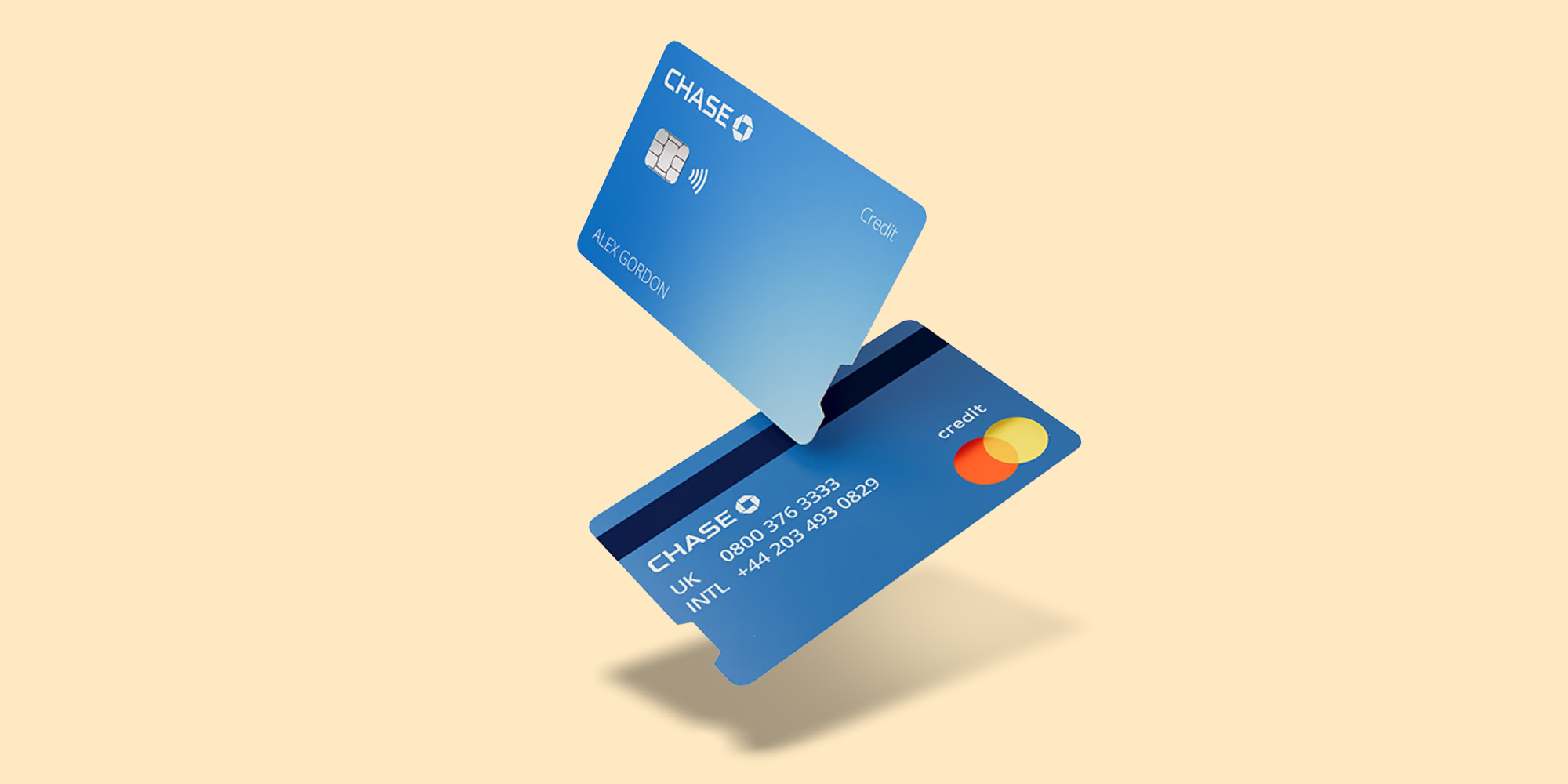
Chase Freedom Unlimited: Best for Simple Cash Back
The Chase Freedom Unlimited may be a strong option if you want a no-annual-fee card with easy cash back. Chase currently lists this card with a $200 bonus, unlimited 1.5% cash back or more on all purchases, and no annual fee.
This card can work well if you want a simple everyday card without tracking rotating categories. It may be best for groceries, bills, online shopping, and general purchases when you want straightforward rewards.
Start Your Chase Card Application Today→
Chase Freedom Flex: Best for Rotating Bonus Categories
The Chase Freedom Flex may be better if you like earning higher cash back in changing categories. Chase currently lists this card with a $200 bonus, 5% cash back on quarterly bonus categories with spending limits and activation required, and no annual fee.
This card is useful if you are willing to activate categories and adjust your spending strategy each quarter. It may not be as simple as Freedom Unlimited, but it can offer stronger value when the bonus categories match your regular purchases.
Chase Sapphire Preferred: Best Entry-Level Travel Card
The Chase Sapphire Preferred may be a good fit if you want travel rewards without paying a premium annual fee. Chase currently lists the card with 75,000 bonus points, 3X points on dining, 2X points on travel, and a $95 annual fee.
This card may make sense if you travel a few times per year, dine out regularly, or want access to Chase Ultimate Rewards travel redemptions. It is usually more valuable for people who can use points for travel instead of only cash back.
Chase Sapphire Reserve: Best for Frequent Travelers
The Chase Sapphire Reserve is Chase’s premium travel card. In 2026, Chase lists it with a limited-time offer, 8X points on Chase Travel purchases, and a $795 annual fee.
This card is not for everyone. It may be worth considering only if you travel often enough to use its benefits and credits. If you do not travel frequently, the annual fee may be difficult to justify.
Chase Slate Edge: Best for Fair Credit
The Chase Slate Edge is positioned differently from Chase’s rewards cards. Chase describes it as best for fair credit customers, with no annual fee and a 28.99% variable APR.
This may be a better fit if your main goal is building or improving credit rather than earning rewards. However, because the APR is high, it is important to pay the full balance whenever possible.
Quick Decision Guide
- Choose Chase Freedom Unlimited if you want simple cash back and no annual fee.
- Choose Chase Freedom Flex if you want rotating 5% categories and do not mind activating them.
- Choose Chase Sapphire Preferred if you want travel rewards with a moderate annual fee.
- Choose Chase Sapphire Reserve if you travel often and can use enough benefits to justify the $795 annual fee.
- Choose Chase Slate Edge if you have fair credit and want a basic card with no annual fee.
Check Pre-Approved Offers First
Before applying, it may be smart to check Chase’s pre-approved offers page. Chase says you can see whether you have pre-approved offers with no impact to your credit score. The process asks for basic information, then shows available offers if you qualify.
This does not guarantee final approval, but it can help you avoid applying blindly. If you see multiple offers, choose the card that fits your real spending habits, not just the card with the biggest bonus.

What You Need Before Applying
Before starting your application, prepare your basic personal and financial information. Chase applications commonly require details such as your legal name, address, contact information, date of birth, Social Security Number or ITIN, employment status, income, and housing payment.
You should also decide how you plan to use the card before applying. If you plan to carry a balance, focus on APR and 0% intro offers. If you pay in full every month, rewards and benefits may matter more.
Costs to Review Before You Apply
Do not apply based only on the welcome bonus. Credit card value depends on the full cost of ownership.
For example, Chase Freedom cards currently offer 0% intro APR for 15 months on purchases and balance transfers, followed by a variable APR of 18.24%–27.74%, with balance transfer fees applying.
The Sapphire Reserve has a much higher annual fee at $795, while Sapphire Preferred has a lower $95 annual fee.
Before applying, review:
- Annual fee
- Purchase APR
- Balance transfer APR
- Balance transfer fee
- Foreign transaction fee
- Late payment fee
- Cash advance fee
- Welcome bonus spending requirement
- Rewards categories
- Redemption rules
How to Apply for a Chase Credit Card
The fastest way is to apply through Chase’s official credit card page. Choose the card, review the offer details, click the application button, and complete the secure form.
A typical application process works like this:
- Compare Chase cards based on your goal.
- Check for pre-approved offers if available.
- Choose the card that fits your spending.
- Review rates, fees, rewards, and terms.
- Enter your personal and financial details.
- Submit the application in the official website.
- Wait for an instant decision or further review.
- If approved, activate the card and set up online access.
If the decision is not instant, Chase may review your application and contact you later. Avoid submitting multiple applications too quickly, because repeated credit applications can affect your credit profile.
How to Use the Card After Approval
Once approved, your first goal should be control. Set up automatic payments or reminders so you never miss a due date.
Chase’s card resource center includes tools for online payments, automatic payments, paperless billing, card lock/unlock, account alerts, and card replacement.
If your card has a welcome bonus, track the spending requirement carefully. Only use normal planned purchases to reach the bonus. Spending extra just to earn rewards can erase the value of the offer.
When a Chase Card May Not Be Right
A Chase credit card may not be the best fit if you expect to carry a balance long term. Rewards cards often have high APRs, and interest charges can quickly cancel out any cash back or points earned.
You may also want to wait if your credit score is weak, your income is unstable, or you recently applied for several credit products. Chase’s own education page notes that preapproval can be useful, but applicants should still understand the terms, consider their financial situation, and avoid multiple applications in a short period.
Chase Credit Card Support
If you already have a Chase credit card and need help, Chase lists 1-800-432-3117 as the customer service number for credit card support. You can also log in to your account and use secure messaging or digital servicing tools.
Final Thoughts
A Chase credit card can be a strong choice in 2026 if you match the card to your actual spending habits. For simple cash back, Freedom Unlimited may be the easiest option. For rotating categories, Freedom Flex can offer stronger rewards.
For travel, Sapphire Preferred or Sapphire Reserve may be more valuable, depending on how often you travel and whether the annual fee makes sense.
Before applying, check for pre-approved offers, compare the current rates and fees, and choose the card that fits your budget.
A Chase card should help you earn value from purchases you already make — not push you into extra spending. Always review the official Chase terms before submitting your application, because card offers, APRs, fees, and bonuses can change.
Start Your Chase Card Application Today→