If you want a driving job with flexible schedules, steady demand, and a clear application path, an Amazon delivery driver job may be worth considering in 2026.
Amazon delivery work usually falls into two main paths: driving for a Delivery Service Partner, often called a DSP, or delivering as an Amazon Flex Delivery Partner using your own vehicle.


Before applying, it is important to know which option fits your situation. A DSP driver typically works for a local delivery company that partners with Amazon, while Amazon Flex is usually an independent contractor model where drivers use their own vehicle and choose delivery blocks when available.
Amazon’s hiring page describes Flex drivers as independent contractors who use their own vehicle to deliver packages on a flexible schedule.
Choose the Right Amazon Delivery Path First
The fastest way to apply correctly is to understand the difference between the two main delivery options.
Many applicants search for “Amazon driver jobs” without realizing that each path has different requirements, pay structure, vehicle rules, and onboarding steps.
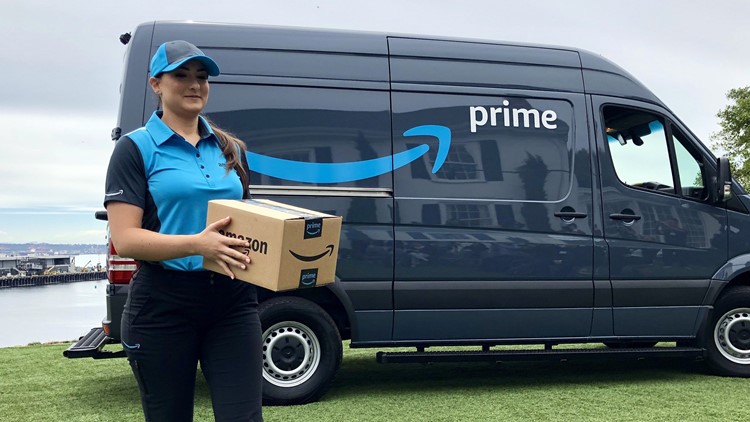
Amazon DSP Delivery Driver
An Amazon DSP Delivery Driver works for a local Delivery Service Partner. These are independent delivery businesses that hire drivers to deliver Amazon packages. Amazon’s DSP job hub describes these roles as driving jobs with local DSP teams, competitive pay, flexible schedules, consistent routes, driver support, and access to a delivery fleet.
This path may be better if you want a more traditional job structure, regular shifts, company-provided delivery vehicles in many cases, training, and possible employee benefits depending on the DSP. It is usually a better fit for applicants who want scheduled work rather than gig-style blocks.
Amazon Flex Delivery Partner
An Amazon Flex Delivery Partner uses their own vehicle to deliver Amazon packages. Amazon says most Flex drivers earn $18 to $25 per hour, although actual earnings depend on location, tips, delivery time, and other factors.
This option may be better if you want extra income, prefer choosing delivery blocks, and already have an eligible vehicle. However, because Flex drivers are independent contractors, you should consider vehicle costs, fuel, maintenance, insurance, taxes, and local availability before signing up.
Basic Requirements in 2026
Requirements depend on whether you apply for a DSP role or Amazon Flex. For Flex in the U.S., Amazon lists basic eligibility as being 21 or older, having a valid U.S. driver’s license and Social Security number, having a midsize or larger vehicle with insurance, owning an iPhone or Android smartphone, and having a bank account.
For DSP driver jobs, requirements can vary by employer and location, but applicants are usually expected to have a valid driver’s license, safe driving habits, schedule flexibility, the ability to lift packages, and the ability to pass required screenings. DSP job postings may also vary because drivers are hired by local delivery companies, not always directly by Amazon.
Main Responsibilities of an Amazon Delivery Driver
Amazon delivery drivers are responsible for moving packages safely, accurately, and on time. The role is active, physical, and customer-facing. You should be comfortable driving for long periods, following delivery instructions, using navigation tools, and handling packages throughout the shift.
Common responsibilities include:
- Driving safely and following traffic laws
- Loading and organizing packages
- Following delivery routes through GPS or app-based tools
- Delivering packages to homes, apartments, lockers, and businesses
- Taking delivery photos or confirming package placement
- Handling customer interactions professionally
- Reporting delivery issues, accidents, or vehicle problems
- Following safety and package-handling procedures
- Working weekends, holidays, or peak-season shifts when needed
This job is not just about driving. It also requires time management, attention to detail, physical stamina, and consistency.
How to Apply for Amazon DSP Delivery Driver Jobs
If you want a more structured delivery job, start with DSP delivery driver listings. Amazon’s DSP job hub allows applicants to search for roles such as Driver, DOT/Box Truck Driver, Helper, E-Bike, and Walker/Courier.
Step 1: Search for Jobs Near You
Use the official Amazon delivery driver hiring pages or DSP job hub to search by location. Look for job titles such as Amazon DSP Delivery Driver, Delivery Associate, Package Delivery Driver, or DOT Delivery Driver.
Step 2: Review the Job Details
Before applying, check the shift type, hourly pay, required license, physical requirements, and whether the vehicle is provided. Some DSP roles may require weekend availability or specific shift blocks.
Step 3: Submit Your Application
Complete the online application with accurate personal, contact, and work history details. Some DSPs may ask about driving experience, availability, and background check consent.
Step 4: Complete Screening and Onboarding
If selected, you may need to complete background checks, driving checks, drug screening where required, and onboarding steps. Training usually covers delivery procedures, route technology, safety, and customer service.
Step 5: Start Training and Begin Routes
DSP drivers usually receive role-specific training before starting regular delivery routes. Amazon’s DSP job hub describes the process as searching for a role, applying, training, and then starting delivery work with the DSP team.
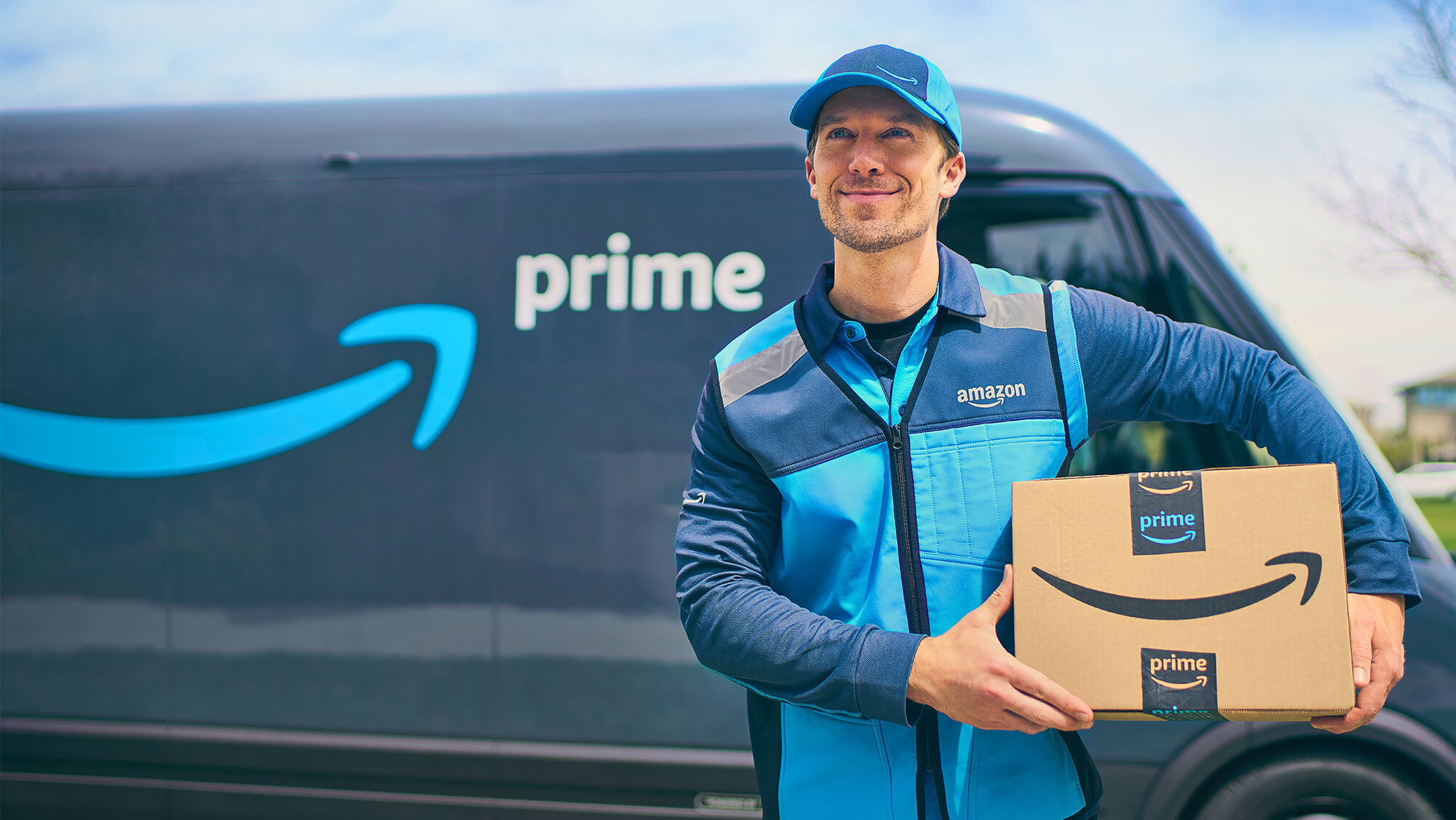
How to Apply for Amazon Flex in 2026
Amazon Flex is usually better for people who want delivery work with more control over when they work. Since you use your own vehicle, you should review all requirements before applying.
Step 1: Check Eligibility
Confirm that you meet the age, license, vehicle, insurance, smartphone, and bank account requirements for your country or region. In the U.S., Amazon lists the minimum age as 21 and requires a valid U.S. driver’s license, Social Security number, insurance, smartphone, and bank account.
Step 2: Sign Up Through Amazon Flex
Start through the official Amazon Flex sign-up process. You may need to create or sign in to an Amazon account, provide personal information, and choose your delivery area.
Step 3: Complete Background Checks
Amazon Flex applicants usually need to complete background screening before they can start delivering. The exact process can vary by region.
Step 4: Download and Use the App
The Amazon Flex app is used to find blocks, accept delivery offers, navigate routes, scan packages, confirm deliveries, and track earnings.
Step 5: Accept Delivery Blocks
Once approved, you can look for available delivery blocks. Amazon says Flex includes upfront offers, different blocks with different rates, flexible scheduling options, and weekly or instant pay options.
Pay Expectations in 2026
Pay depends on the type of delivery work, city, route demand, employer, and shift. For Amazon Flex, Amazon states that most drivers earn $18 to $25 per hour, but actual earnings depend on factors such as location, tips, delivery time, and other conditions.
For DSP drivers, pay varies by local DSP and market. The Amazon DSP job hub showed a Seattle listing with starting pay of $22.25 per hour or more, and listed possible perks such as PTO, healthcare for full-time employees, holiday pay, tuition reimbursement, 401(k) options, bonuses, training, and growth opportunities. These benefits may vary by DSP, so applicants should confirm details directly in the job posting or interview.
Benefits You Should Ask About
Benefits are not always the same across all Amazon delivery paths. DSP drivers may be employees of a local delivery company, while Flex drivers are generally independent contractors. This difference matters.
Before accepting a role, ask about:
- Hourly pay or block pay
- Weekly schedule expectations
- Overtime rules
- Paid training
- Health, dental, and vision benefits
- Paid time off
- 401(k) availability
- Bonus opportunities
- Vehicle provided or personal vehicle required
- Fuel, maintenance, and insurance responsibility
- Uniform, safety shoes, or equipment requirements
For bottom-funnel applicants, this is one of the most important steps. Do not accept a role based only on the headline pay rate. Understand what expenses and benefits apply to your specific delivery model.
Interview and Screening Tips
For DSP roles, you may have a short interview or hiring conversation. The manager may ask about your driving record, availability, ability to lift packages, customer service experience, and comfort with fast-paced work.
Strong answers should show that you are reliable, safety-focused, and comfortable working independently. You can mention that you understand delivery work requires punctuality, careful driving, package accuracy, and professional customer interactions.
For Flex, the process may be more app-based, but you still need to pass required checks and complete onboarding. Make sure your documents, license, insurance, and bank information are correct before submitting anything.
What to Prepare Before Applying
Before you apply, prepare everything you may need. This can help you avoid delays and incomplete applications.
Keep these ready:
- Valid driver’s license
- Updated contact information
- Work history
- Proof of vehicle insurance, if using your own car
- Bank account details for payments
- Smartphone that supports the delivery app
- Availability for shifts or delivery blocks
- Basic resume for DSP roles
- Clean and professional interview outfit, if needed
If applying for a DSP role, a simple resume can help. Highlight driving experience, customer service, warehouse work, retail work, food delivery, courier work, punctuality, and safety awareness.
Is This Job a Good Fit for You?
Amazon delivery work may be a good fit if you like active jobs, can manage time well, and are comfortable working independently. It may also suit people who prefer being on the road instead of working at a desk.
However, it may not be ideal if you dislike physical work, cannot handle tight schedules, or are uncomfortable driving in traffic, bad weather, or busy neighborhoods. For Flex drivers, vehicle expenses should also be considered before deciding if the pay makes sense.
Final Application Checklist
Before applying, use this checklist:
- Decide between DSP and Flex.
- Confirm whether you need your own vehicle.
- Check age, license, and insurance requirements.
- Search only through official Amazon or DSP job pages.
- Review pay, schedule, and benefits before applying.
- Prepare your documents before starting the application.
- Be honest about your availability.
- Ask about training, routes, and vehicle expectations.
- Confirm whether you are an employee or independent contractor.
- Review the full offer before accepting.
Final Thoughts
Applying for an Amazon delivery driver job in 2026 can be a strong option if you want active work, delivery experience, and a clear path to start quickly. The key is choosing the right route before applying: DSP delivery driver if you want a more traditional job structure, or Amazon Flex if you want app-based delivery blocks using your own vehicle.
Before you submit your application, compare the requirements, pay structure, vehicle responsibilities, benefits, and schedule expectations.
A delivery role can offer solid earning potential, but the best choice depends on your location, availability, and whether you want employee-style work or independent contractor flexibility. If you are ready to move forward, search active openings in your area, prepare your documents, and apply through the official Amazon delivery job channel that matches your goals.